


Technology
-
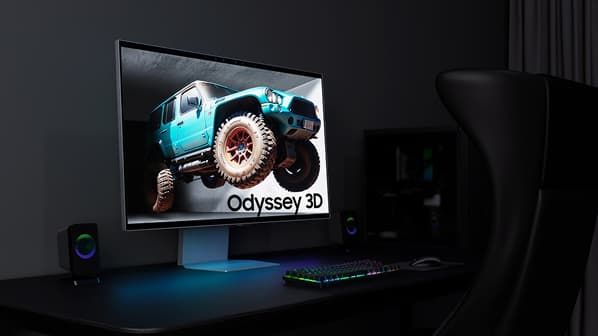
Samsung Transforms OLED With Glasses Free Three Dimensional Technology
TechnologyFor decades the technology industry has chased the dream of true three dimensional viewing without the burden of clunky accessories. Samsung Electronics recently achieved this coveted milestone through a groundbreaking partnership with the POSTECH Nanoscale Photonics and Integrated Manufacturing Laboratory. Their collaborative research, recently published in the prestigious journal Nature, details a magnificent new display system. By integrating advanced optical science directly onto standard organic light emitting diode panels, engineers have created a screen that seamlessly transitions between standard two dimensional images and immersive three dimensional depth. Unlike previous commercial attempts that relied on fixed lenticular arrays or parallax barriers, this specific innovation uses a dynamically adjustable meta optical layer. This means users no longer have to compromise on resolution or brightness when consuming everyday content. The sheer brilliance of this accomplishment lies in its elegant simplicity for the end user, masking an incredibly sophisticated matrix of voltage controlled light manipulation happening behind the glass.
-
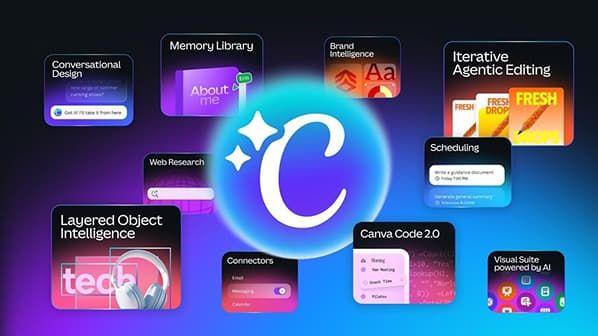
Canva Transforms Daily Workflows Through Seamless Connectivity
TechnologyModern professionals constantly juggle multiple software environments to complete simple projects. You might draft text in one window, source images in another, and finally piece everything together in a dedicated design program. Your productivity suffers because you have to switch tabs repeatedly which interrupts your creative work. The popular design platform has fundamentally solved this friction by embedding external productivity applications directly into its central interface. Users can now upload assets from their system without needing to store them on their internal storage first. The platform establishes digital connections that let you access resources, change your graphic designs, and share your completed materials from within the main canvas space. The interconnected system promotes efficient operation by reducing operational delays and decreasing cognitive load which users experience when they need to manage multiple software programs during peak work periods.
-

MacBook Neo vs. Chromebooks: Which One Will Really Suit You?
TechnologyThe definition of a budget laptop has changed radically in 2026. Having launched the MacBook Neo at approximately 599, Apple has moved into the price range that Chromebooks have held for a long time. This provides a one-to-one analogy between two radically different philosophies of computing: a desktop operating system and a cloud-first platform. To buyers, it is no longer based on price only, but the way each device will fit the real-life use pattern and future requirement.
-
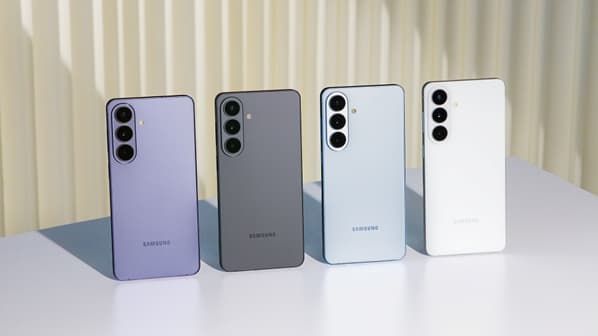
Galaxy S26 Arrives: The New Features That Matter Most
TechnologySamsung released its newest generation of flagship smartphones with the official release of the Samsung Galaxy S26 series at the Galaxy Unpacked early 2026 event organized by Samsung. The list goes on with Galaxy S26, Galaxy S26+ and Galaxy S26 Ultra, all being a development of the Samsung tradition of combining strong hardware with the highly integrated features of artificial intelligence. It is true that the enhancing of display brightness, battery life, and camera optics is significant; however, the S26 generation puts a lot of emphasis on software experiences on device AI. Rather than introducing features in isolation that Samsung is trying to make the phone more of a proactive assistant that is aware of the context and assists in accomplishing tasks quicker.
-
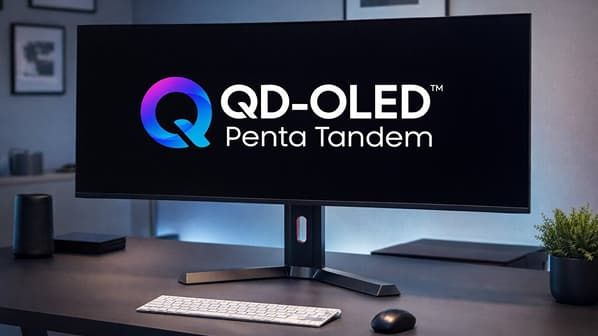
How Samsung’s Penta Tandem OLED Changes the Display Equation
TechnologyOLED technology has established itself through superior contrast and deep black levels together with precise pixel light management abilities. Conventional OLED panels use fewer organic layers to generate light that requires higher brightness to result in lower material durability and increased energy consumption and reduced panel operational time. OLED screens achieve their optimal performance under controlled indoor lighting conditions while their performance drops in bright outdoor conditions. Premium OLED smartphones and TVs use software tone mapping with peak-brightness bursts to create the effect of continuous light output instead of achieving actual sustained brightness levels. The problem exists because organic emitters distribute electrical energy through their limited light-emitting layers which results in this physical limitation. The long-standing tradeoff exists because OLED displays provide visual quality while LCD technologies dominate brightness performance.
-

Bring Back Clear Dialogue: Three Samsung TV Settings That Make Speech Easy to Hear
TechnologyPeople who watch television shows and movies today often complain about unclear dialogue. The built-in speakers of many TVs become unable to distinguish between voices and background sounds because movies and series use combined cinematic soundtracks and heavy effects. Samsung TVs become more difficult to understand because their default audio settings use immersive sound design instead of clear voice presentation. Samsung provides multiple built-in solutions which customers can use to fix this problem. The three settings will boost speech clarity because they let you achieve better results without needing to buy extra equipment.
Trending
-
 1
1Six Hidden Features Transforming Your Opera Daily Browsing
-
 2
2Forza Horizon Six Welcomes Veteran Drivers With Elite Supercars
-
 3
3The Dawn Of DeepSeek V4: Reshaping The AI Landscape Against Industry Giants
-
4
Samsung Transforms OLED With Glasses Free Three Dimensional Technology
-
 5
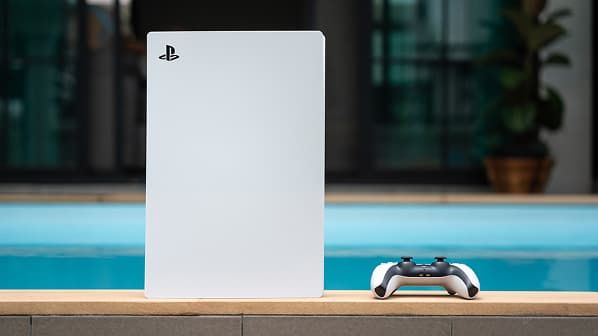
5Unleashing Hidden Speed on Your Modern Sony Console
-
6
Canva Transforms Daily Workflows Through Seamless Connectivity