


OLED technology has established itself through superior contrast and deep black levels together with precise pixel light management abilities. Conventional OLED panels use fewer organic layers to generate light that requires higher brightness to result in lower material durability and increased energy consumption and reduced panel operational time. OLED screens achieve their optimal performance under controlled indoor lighting conditions while their performance drops in bright outdoor conditions. Premium OLED smartphones and TVs use software tone mapping with peak-brightness bursts to create the effect of continuous light output instead of achieving actual sustained brightness levels. The problem exists because organic emitters distribute electrical energy through their limited light-emitting layers which results in this physical limitation. The long-standing tradeoff exists because OLED displays provide visual quality while LCD technologies dominate brightness performance.
A Brief Guide to Construction Jobs
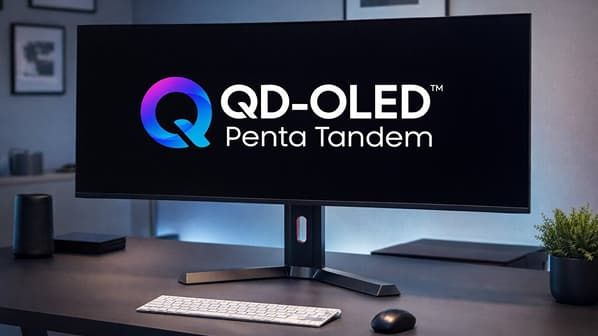
What Penta Tandem Technology Actually Is
Samsung Display developed Penta Tandem OLED technology to eliminate the structural flaws that create operational limitations. The technology developed by Samsung Display implements five stacked emissive layers as its design base because of its name "penta" which means five. The panel reaches its maximum brightness through light output from each layer because its design permits multiple layers to work together without creating too much electrical load for a single organic layer. The system generates enhanced efficiency through its energy distribution method, which reduces both thermal burden and material degradation. The method needs multiple emitters to create brightness, which means pushing one emitter beyond its limits should no longer be used to achieve brightness. The new process establishes continuous luminance as the primary way to increase OLED brightness beyond temporary light production. The solution requires an architectural update instead of a simple calibration adjustment.
Why This Matters for Real-World Viewing
Penta Tandem creates real-world impacts because its technology solves common user interface problems. Higher sustained luminance enables users to view smartphones outdoors, who watch TVs in glare-heavy living rooms, who work on HDR content mastering. HDR10 and Dolby Vision show highlights correctly through their brightness headroom because they maintain all crucial contrast details. The shadow depth in OLED panels remains intact through their multi-layer emission, which also increases highlight brightness, instead of making the image appear flat throughout extreme brightness conditions. Sunlight readability for mobile devices becomes available without draining excessive battery power. The technology provides uniform brightness throughout entire display panels instead of limiting its effect to small areas that contain highlight zones. The technology enhances peak brightness values while improving image quality in environments with uncontrolled lighting conditions.
Samsung’s Strategic Advantage in OLED Engineering
Samsung possesses total control over OLED production because it operates as the largest OLED manufacturer and manages all aspects of material science development and panel design and manufacturing process and commercial market operation. Penta Tandem represents an entire platform that builds upon existing research from tandem OLED systems and substrate technology and mass manufacturing process development. The technology enables scalable production because it operates, which means it can create devices for smartphones and tablets and laptops and large-display panels. Samsung controls the entire mobile OLED supply chain, which gives the company both financial benefits and operational advantages that help its commercial products reach the market faster. Product development reaches full development after production-ready architectural components enter the system from which all device components and display calibration systems can begin their integration process into existing display systems.
A Shift in the OLED Value Proposition
Penta Tandem OLED transforms the competitive landscape for OLED technology against other display systems. Consumers used to select OLED because of its superior contrast while they picked LCD technology for its higher brightness levels. The introduction of multi-layer emission security systems has made that tradeoff impossible to maintain. The display technology enables OLED to sustain brightness levels while keeping image integrity intact. High-brightness LCDs that dominated automotive displays and outdoor kiosks and professional reference monitors need to make space for OLED displays which will expand into those areas. OLED displays become a high-performance display technology that organizations can use as their standard display technology instead of treating it as a niche product. Penta Tandem will transform consumer expectations about OLED screens because it enables screen technology to combine all fundamental display capabilities into one product design.


Guess you like
-
Canva Transforms Daily Workflows Through Seamless Connectivity
-
A Comprehensive Guide to Secure Credential Management using Apple Passwords
-

Creating Your Ideal iPhone Emoji Using Apple’s Genmoji
-

How Deliverect Is Transforming Restaurant Digital Menus With AI Agents
-

Know Hydroplaning and How to Be Safe
-

Five Car Brands Setting the Global Safety Standard
Trending
-
 1
1Six Hidden Features Transforming Your Opera Daily Browsing
-
 2
2Forza Horizon Six Welcomes Veteran Drivers With Elite Supercars
-
 3
3The Dawn Of DeepSeek V4: Reshaping The AI Landscape Against Industry Giants
-
 4
4Samsung Transforms OLED With Glasses Free Three Dimensional Technology
-
 5
5Unleashing Hidden Speed on Your Modern Sony Console
-
6
Canva Transforms Daily Workflows Through Seamless Connectivity