


Early in 2026, a rather ordinary utility app bearing an attention-grabbing moniker reached the top ranks of sold applications in the iPhone App Store of China: Are You Dead? or, in Chinese, Sǐ le ma. The app only briefly turned out to be China's top-selling application, having easily elbowed aside the popular commercial productivity application lineup and video games. Its meteoric rise was not cheered by vigorous marketing or celebrity endorsement, but by pure word of mouth and social media talk. The app was downloaded by many simply out of curiosity through the existence of such a provocative name, only to discover that behind that even more provocative name was a very simple idea targeted toward the increasingly social reality in China.
A Brief Guide to Construction Jobs
Related searches
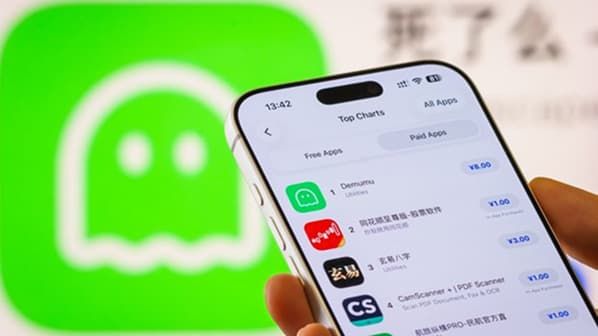
What The App Actually Does
Are You Dead? is essentially minimal in functionality. After paying a one-time fee of around eight yuans, users register their name and designate a 'trustworthy' emergency contact-usually their family members or close friends. The application demands users confirm their presence in the world by pressing only one button, at least once every forty-eight hours. Otherwise, if the period happens to elapse without check-in, the system automatically dials up the chosen contact: Something may be wrong with that user. No ads, no complex dashboards, and no background tracking, all of which many users cited as parts of its appeal.
Designed for People Who Live Alone
This app was conceptualized primarily for individuals who would benefit from the term intervention. A massive trend in the country has emerged regarding a rise in one-person households as a result of urban migration, the rising cost of housing, failure to marry, and aging. Young professionals working far off their hometowns often do not have daily human contact with any family member, as do elderly people whose children live somewhere else. Within that context, the app serves as the most cost-effective safety net. It carries no promise of rescue or medical help, however, but can bring silence to an end if something unfortunate should happen.
A Name That Sparked a Debate
Functionality may be simple but the application bore an interesting name that stoked heated discussion. Ills in Chinese culture meant you traditionally featured specified taboos over direct allusions to death usually in most conversations. Most users found "Are You Dead?" pretty disturbing, or plain unlucky. Others argued that bluntness made it thereby efficacious. The name cuts through the noise of generic app titles and forces somewhat uncomfortable confrontations by asking things as they really are. Paradoxically, that cultural taboo, however, practical purpose has ignited the online debates, memes, and screenshots that indeed fired public awareness toward the app.
Who Made It and Why
Three independent programmers born in the nineties with little corporate backing developed the app. From interviews, the idea came up after chatting casually about people who live alone and worry about emergencies. Reportedly, development costs were really low; and the first version was purposely very simple. The creators said they did not expect huge success and were surprised by how fast the app spread once people began sharing it. Very soon after that, the value went up dramatically from paid downloads.
Public Reaction and Attempts at Renaming
With the increasing attention came severe criticism as well. Some of the users condemned this application, saying that it has been exploiting fear or loneliness, while others felt it was honest and useful. Because of the mounting pressure, developers temporarily removed the app from the Chinese Store and re-announced its international restructuring under the name "Demumu." They also opened the contest for public naming exercises with a reward for the final choice. This type of response showed a knowledge of cultural sensitivity while recognizing the fact that original names do have quite a lot to do with success.
What the Phenom Discloses
After all, “Are You Dead?” has less to do with technology than with societal transition. It marks rising isolation, shifting family structures, and longings for reassurance in modern living, highlighting all this. The asking of an as-yet uncomfortable question the simplest and most straightforward way could help turn private fear into a public conversation, which is precisely the explanation of why it quickly became China's most talked-about paid app.
< Prev

Next >

Guess you like
-
Goblin Sushi: A Roguelike Cooking Sim Where Goblins Master Sushi Craft
-
Nintendo Switch 2 vs Switch 1: A Leap Forward in Handheld Gaming
-

Smart Bulbs vs. Standard LEDs: A Detailed Energy Consumption Comparison
-

Google Photos Turns Users into Meme Stars with New “Me Meme” Feature
-

Amazon’s New AI Tool Translates Kindle E-Books for Self-Published Authors
-

The Best Bargains and Least Fuel-Guzzling Auto Choices in 2025
Trending
-
 1
1Six Hidden Features Transforming Your Opera Daily Browsing
-
 2
2Forza Horizon Six Welcomes Veteran Drivers With Elite Supercars
-
 3
3The Dawn Of DeepSeek V4: Reshaping The AI Landscape Against Industry Giants
-
 4
4Samsung Transforms OLED With Glasses Free Three Dimensional Technology
-
 5
5Unleashing Hidden Speed on Your Modern Sony Console
-
 6
6Canva Transforms Daily Workflows Through Seamless Connectivity