Amazon has maintained its e-reader market leadership through Kindle which operates with Amazon's complete retail system since its introduction. Yet a growing segment of dedicated readers is migrating to devices made by Rakuten under its Kobo brand. Customers choose between the two companies because they prefer how each company approaches their business operations and product development.
Kobo devices natively support the EPUB file format which serves as the worldwide publishing standard used by independent bookstores and digital distributors. Kindle devices historically relied on proprietary AZW and KFX formats. Amazon now permits EPUB uploads through Send-to-Kindle although it transforms the submitted files into its cloud storage system. On Kobo, EPUB remains EPUB. Users who purchase from various stores need this distinction to handle their collections of Project Gutenberg classics and DRM-free libraries. Kobo operates as a universal reading device which users can control instead of a restricted retail space.
Seamless Library Borrowing
Kobo offers practical benefits through its direct connection to OverDrive which serves as the library management system for public libraries in thousands of locations worldwide. Users of compatible Kobo devices can use their library card to access the library system and obtain books which they can then download directly onto their device. Users no longer need to obtain their books via a browser for web access since they can now download content straight to their devices.
Users in the US can borrow OverDrive titles on their Kindle devices yet the process requires them to visit Amazon's website before the content reaches their device. Kobo systems enable users to work faster and more clearly than other systems because they connect directly with the library systems. The borrowing procedure from libraries appears seamless to users who include students and retirees and budget-conscious readers as their main library patrons.
Greater Reading Customization
Kobo enables users to manage font styles and page designs at a detailed level. Users can fine-tune font weight, margins, line spacing, and justification through advanced control options which surpass the capabilities of most Kindle devices. Users of Kobo devices can install fonts from outside sources without needing to follow complex procedures.
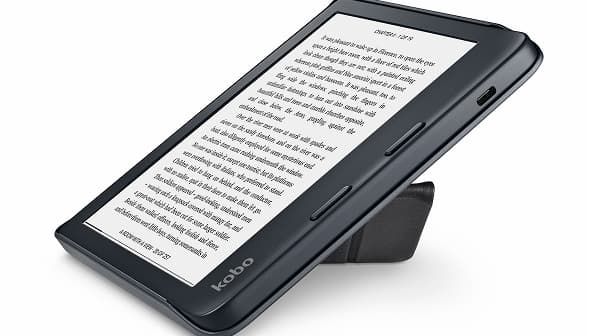
Certain Kobo models, such as the Kobo Libra 2, include physical page-turn buttons. Many Kindle models rely exclusively on touchscreen gestures. Readers who need to feel physical buttons which they can use while wearing gloves outdoors will find them useful. Kobo’s home screen displays more content from user libraries which helps users find their books instead of showing store items.
Hardware Variety and Niche Features
Kobo provides multiple device options which include different device designs. The Kobo Clara 2E has a six-inch screen which weighs less than the compact design of its body. The design provides users with multiple reading choices since they can highlight text in PDFs and read documents and watch educational videos on larger screens.
The Kindle product line from Amazon limits its offerings to standard reading functions. While Kindle devices are polished and reliable, Kobo’s willingness to experiment with size, recycled materials, and stylus-enabled note taking gives it appeal beyond casual fiction readers.
Privacy and Ownership Concerns
Digital ownership has become a sensitive issue. Amazon has removed purchased content from Kindle devices when rights conflicts arose. This shows that customers who buy Kindle content will not own it as they have bought a license. People think Kobo collects fewer customer data points and promotes retail products through its system compared to other platforms. Kobo gives privacy-sensitive users a reason to believe that the company does not promote ads through Amazon's advertising network which gathers usage statistics from all major platforms.
Kobo introduces a device-based system which enables users to control their device usage for others who doubt system restrictions. Users can handle their files through local storage which allows free sideloading and lets them create file groups without needing to synchronize their devices.
A Shift Driven by Practical Needs
The two brands present equal performance for display brightness and battery time so Kobo's success stems from different aspects. The shift occurs because users need to access specific features which include native EPUB support, direct OverDrive integration, richer typography controls, physical navigation buttons, and diverse screen sizes. Users perceive better digital independence through these features.
Users who have long used Kindle will not find any motivation to switch services because they enjoy Amazon's full ecosystem. Users who prefer open access and library systems and who want control over digital collections should choose Kobo because it provides better reading solutions than Amazon.