


The arcade games which captured American audiences the most during their initial release did better in international venues than they did in their home country. The history of arcades depends on American history through its examination of American arcade venues which include malls and pizza parlors and early coin-op booms. American venues failed to support certain arcade games which became popular due to their combination of high player attendance and lower operating costs. The games achieved international success as their strongest fan bases developed outside of the United States.
A Brief Guide to Construction Jobs
Related searches
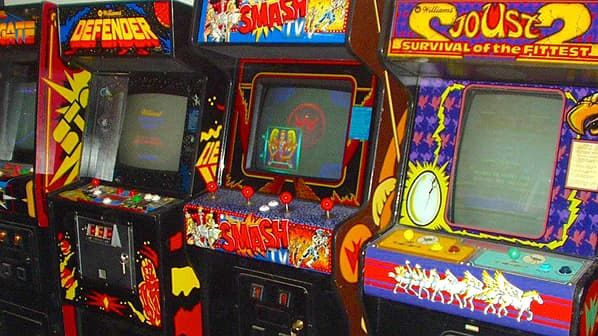
Dance Dance Revolution and Japan’s Rhythm Culture
Dance Dance Revolution created a new experience when it reached US arcades but players viewed it as a loud entertainment piece instead of an actual competitive game. The Japanese arcade system already existed as a rhythm-game system which Dance Dance Revolution integrated with its existing music games and compact arcades. The Japanese operators kept their machines in perfect condition by maintaining the equipment and updating the song lists while creating a system to track player skill development. The player base dedicated their time to DDR because they treated it as both a workout and a skill development practice which helped keep the game popular even when US players lost interest.
Metal Slug and Latin America’s Coin Economy
Metal Slug never vanished from Mexican and Brazilian and Chilean arcades throughout its history. The game used hand-drawn animation and exaggerated humor and simple controls to achieve instant accessibility because its challenging gameplay required players to spend money on additional game sessions. The Latin American arcades operated with low credit prices because they expected customers to pay for multiple game sessions. The regions kept their coin-op cabinets active until 2000 because players preferred to keep their Metal Slug experience alive through coins instead of switching to home consoles.
The King of Fighters as a Competitive Standard
The United States saw Street Fighter become the leading game for fighting tournaments. The King of Fighters emerged as the principal fighting game for players from Mexico and China and South Korea. Fast character movement leads to team-based gameplay which requires players to understand the complete system of the game. Players created their personal fighting styles from arcade tournaments which took place in their local area. The game’s annual release schedule kept arcade cabinets up-to-date while US arcades increasingly fell behind in maintaining their equipment.
Virtua Fighter and Japan’s Technical Preference
American players failed to appreciate Virtua Fighter because of its lack of visual effects and difficult gameplay. Japanese players, however, embraced its precision. The game required players to focus on frame data and character placement and execution skills instead of visual effects. Japanese arcades provided head-to-head cabinets and ranking boards to make Virtua Fighter a serious fighting competition. The game established itself as the foundation for all 3D fighting games that followed but its most powerful impact stayed inside Japan.
Puzzle Bobble’s Quiet European Success
Puzzle Bobble reached a more successful reception in Europe than this game achieved in the US as Bust-A-Move. The game’s bright visuals and straightforward mechanics made it a perfect fit for cafés and bars and family-friendly arcades. European operators chose games which appeal to multiple types of players because they wanted to run their businesses with games that need less upkeep work. The cooperative modes of Puzzle Bobble and its brief game sessions created an ideal match for these venues which resulted in the game maintaining its presence until years after it disappeared from most US locations.
Why Geography Shaped Arcade Legends
The success of arcade games depended on the cultural norms which existed in different geographic areas. The arcade spaces outside of the US continued to serve their purpose as social gathering places which people visited for entertainment but only stayed briefly. The particular social customs of the area and pricing practices and community relationships permitted some titles to experience success. The arcade industry did not accept any game as universally popular. Local areas always created the first popular games.
< Prev

Next >

Guess you like
-

How Deliverect Is Transforming Restaurant Digital Menus With AI Agents
-

Which AI Chatbot Tools Are Outperforming ChatGPT in 2025?
-

How Often Should You Clean Your Car’s Air Conditioning System?
-
How Meta AI Revolutionizes Social Interaction Across Billions
-

Surprising But Effective Tricks to Clean Oil Stains for Good
-
Beyond The Basics: Eight Safari Tricks That Actually Matter
Trending
-
 1
1Six Hidden Features Transforming Your Opera Daily Browsing
-
 2
2Forza Horizon Six Welcomes Veteran Drivers With Elite Supercars
-
 3
3The Dawn Of DeepSeek V4: Reshaping The AI Landscape Against Industry Giants
-
 4
4Samsung Transforms OLED With Glasses Free Three Dimensional Technology
-
 5
5Unleashing Hidden Speed on Your Modern Sony Console
-
 6
6Canva Transforms Daily Workflows Through Seamless Connectivity